The Israel Hang Gliding Association brings together the country’s hang glider pilots: launch sites, training, safety, and one community that shares the sky.
01 · What is hang gliding
Fly like a bird, among the birds.
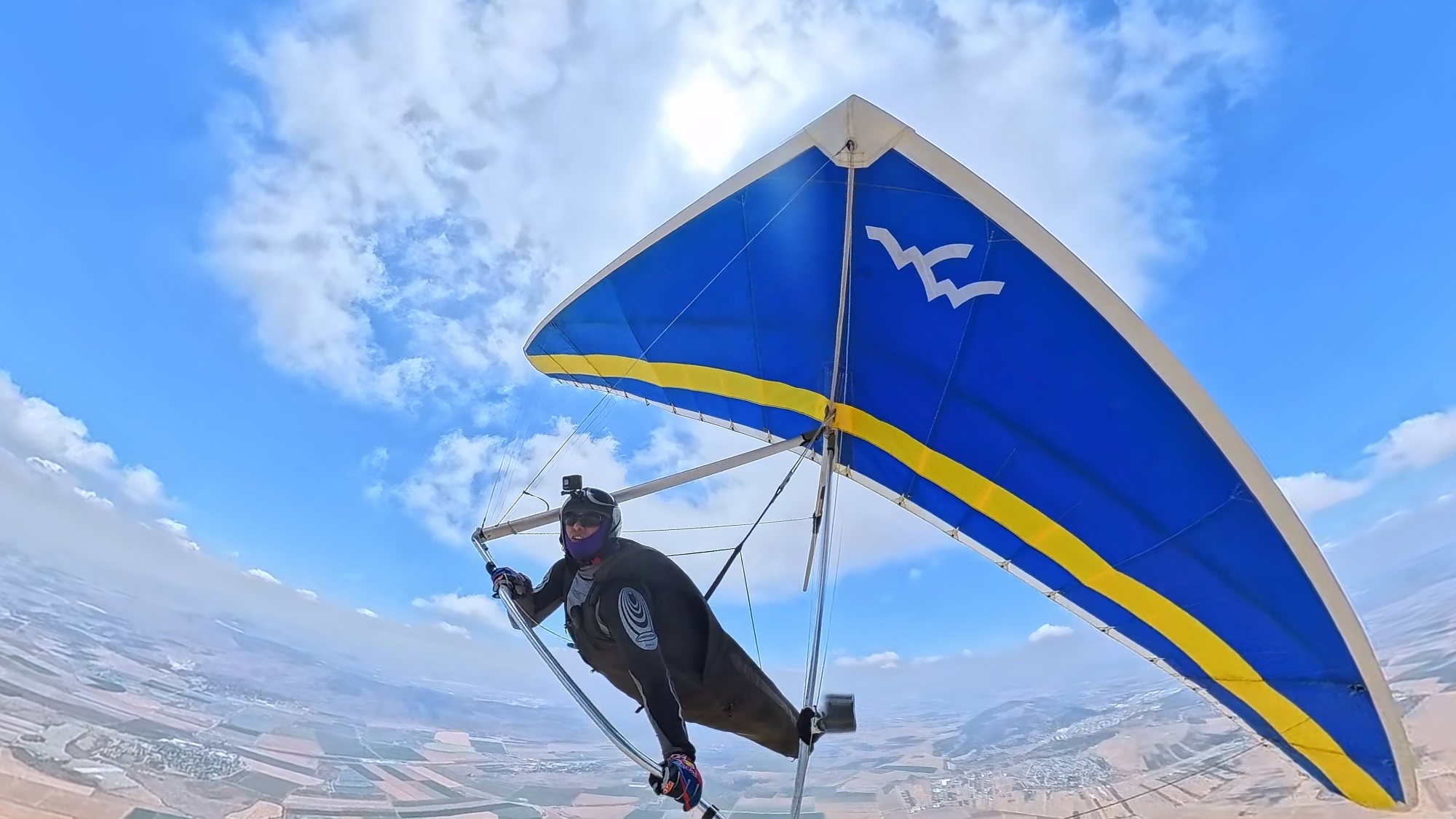
Hang gliding is engine-free flight on a personal wing built from composite materials, with the pilot lying suspended beneath it and steering by shifting their body weight alone. No cockpit, no glass, no noise. Just you, the wing and the air.
The glider launches with a short run down a slope or off a cliff, and stays airborne thanks to rising air: wind climbing over a ridge, or bubbles of warm air (thermals) rising from the heated ground. A skilled pilot knows how to read the sky, find the lift and climb with it thousands of metres.
It’s a sport that combines physics, meteorology, body control and peace of mind. The hang glider is the purest machine humans have built to fly: faster and more stable than a paraglider, and simpler and more accessible than a sailplane. If you’ve ever dreamed (by day or by night) of flying free like a bird, you’ve come to the right place.
How a hang glider is built
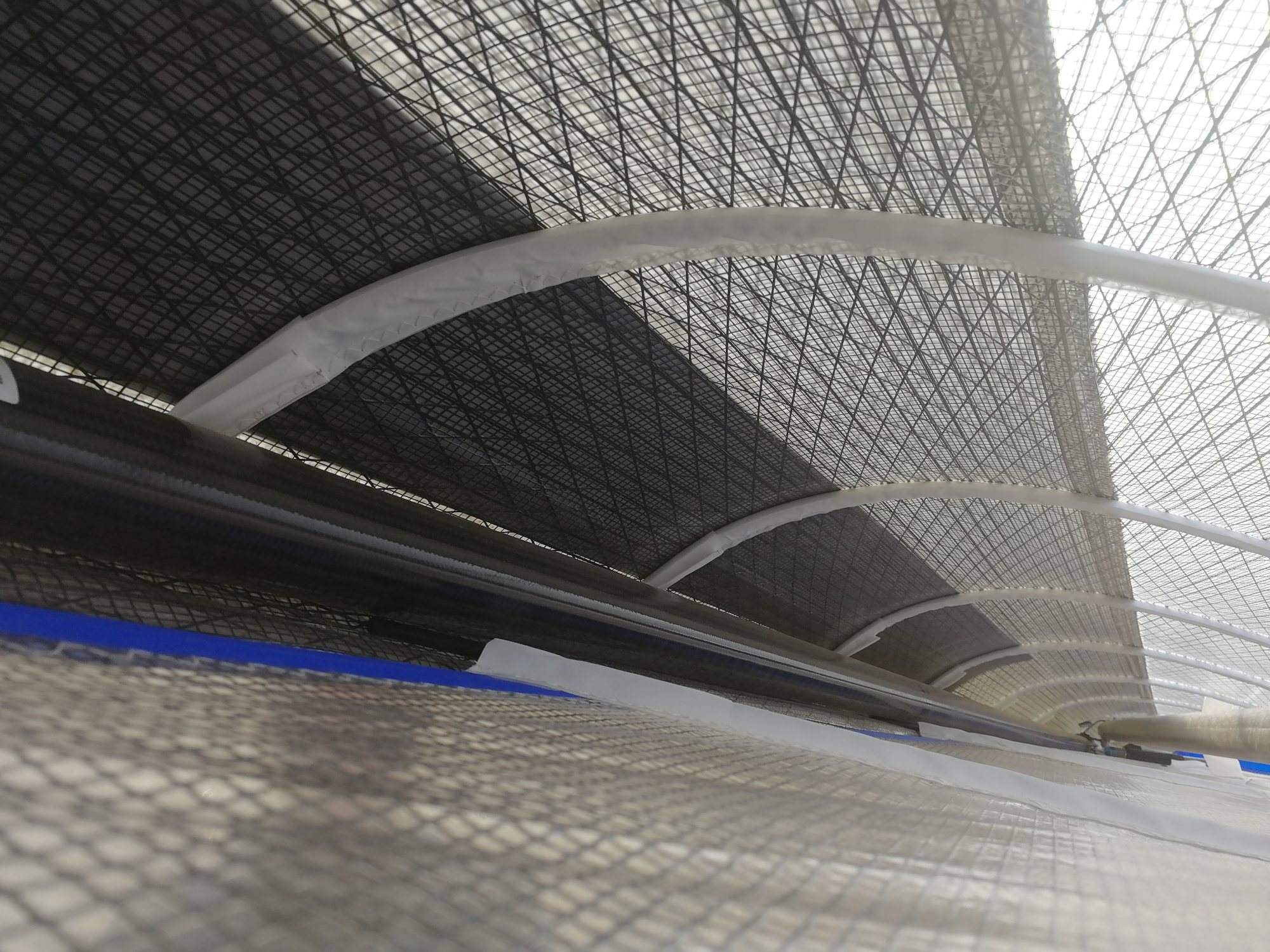
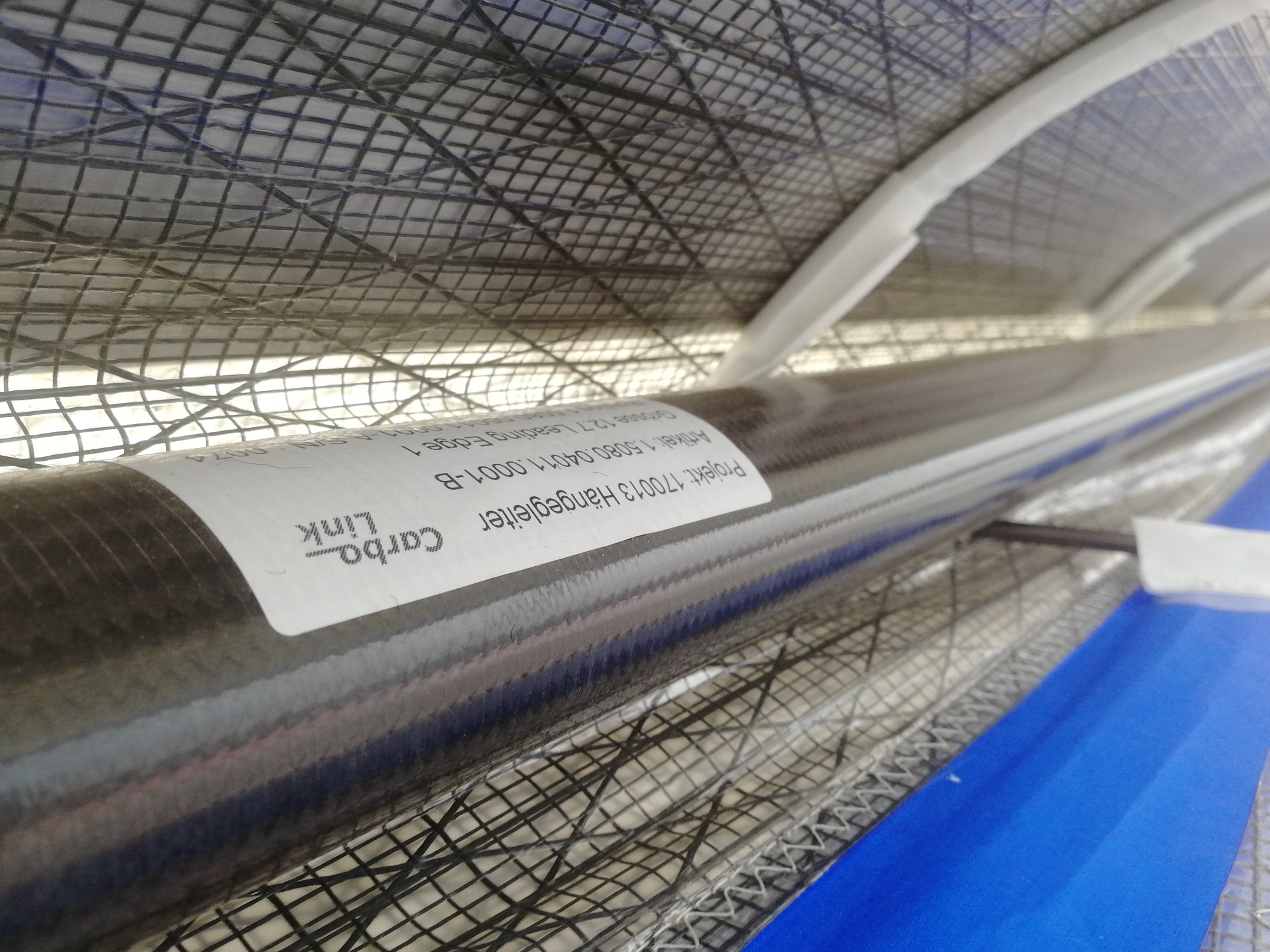
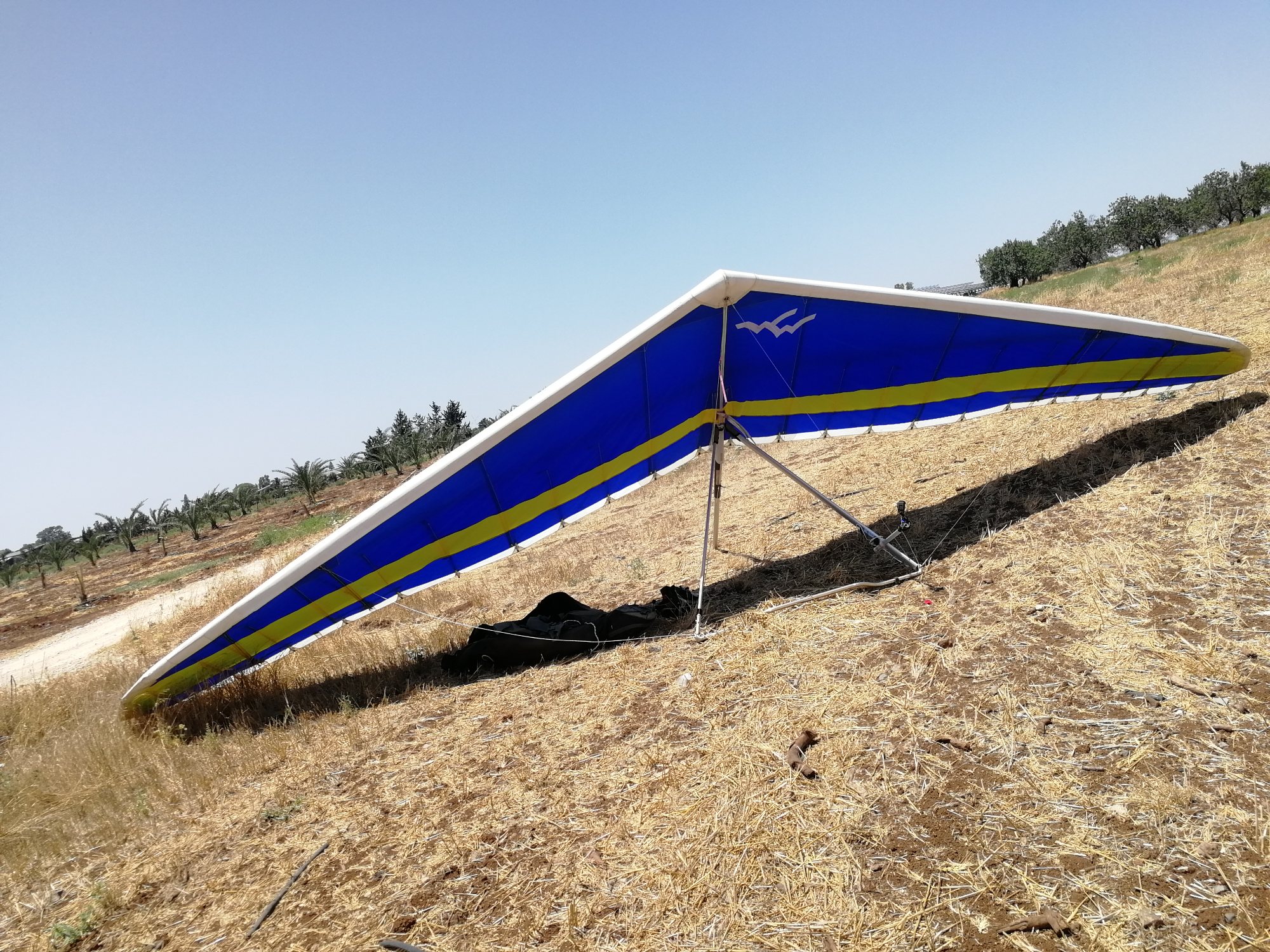
The first hang gliders were developed in parallel in the USA and Australia from the 1960s onward. Modern hang gliders are sophisticated engineered aircraft designed to be highly efficient in the air. Advanced gliders reach a glide ratio of up to 1:15 (15 metres forward for every 1 metre down). The frame is made of aircraft-grade aluminium or carbon-fibre composite, with hinges and tensioning systems. This structure is covered by a sail of polyester / Kevlar or woven PET with a fibre grid of high strength and stiffness. Everything is held and tensioned by stainless-steel cables and Kevlar lines, which allow the geometry to change in flight and let the glider fold into a single package that can be stored and carried on a car roof rack.
A view of an advanced glider’s wing from inside the sail
A view of an advanced glider’s wing from inside the sail
An assembled glider
30–130km/h, typical flight speed range
1:15Glide ratio: 15 metres forward for every metre of descent
700+ kmWorld distance records in a single flight, with no engine
Ridge Soaring
Ridge soaring
A steady wind hits a ridge or cliff and is forced up over it. The pilot “rides” this band of lift back and forth along the ridge and can stay up for hours as long as the wind blows. It’s the most predictable and relaxed kind of flying, and usually where pilots make their first long flights.
Source of lift
Wind deflected up a slope
Height
Tens to hundreds of metres above the ridge
Distance
Along the ridge, returning to the same area
Local Thermal Flying
Local thermal flying
Thermal flying around the launch site. The pilot finds a thermal, climbs in it in tight circles, and stays within safe gliding range of the familiar landing field. This is where the world of thermals begins: learning to read clouds, terrain and the behaviour of the air, without the pressure of landing somewhere unfamiliar.
Source of lift
Thermals and wind
Height
Up to cloud base, usually 1,000–2,500 m
Distance
Within gliding range of the site, landing in the regular field
Cross Country · XC
Cross-country flying
The height of the fun and the essence of hang gliding. The pilot climbs in a thermal, leaves the launch site and flies for distance: glides to the next thermal, and repeats, over tens and hundreds of kilometres. Every flight is a journey planned in the air, with decisions made in real time, and the landing is in a field chosen along the way. This is also how competitions are flown.
Source of lift
Chains of thermals and cloud streets
Height
Cloud base, and sometimes above it
Distance
Tens to hundreds of km, landing out
Ridge soaring
Local thermal flying
Cross-country
What keeps you up
Wind climbing up the slope
Thermals around the site
A sequence of thermals along a route
Type of flight
Back and forth along a fixed line
Circling and climbing, back to the site
A linear journey from point to point
Suitable conditions
A steady wind perpendicular to the ridge
A thermal day, light wind
A strong thermal day with a high cloud base
Landing
Regular field or ridge top
The site’s landing field
A field chosen during the flight
Experience level
Novice pilots and up
After mastering ridge soaring
Experienced pilots
02 · Launch sites
Where we fly from
Before flying at any site, coordinate with the site manager and check the weather and airspace restrictions. Flying is permitted only for holders of a valid licence.
The information on this page is preliminary and should be confirmed with the site managers before publication.
03 · Photo gallery
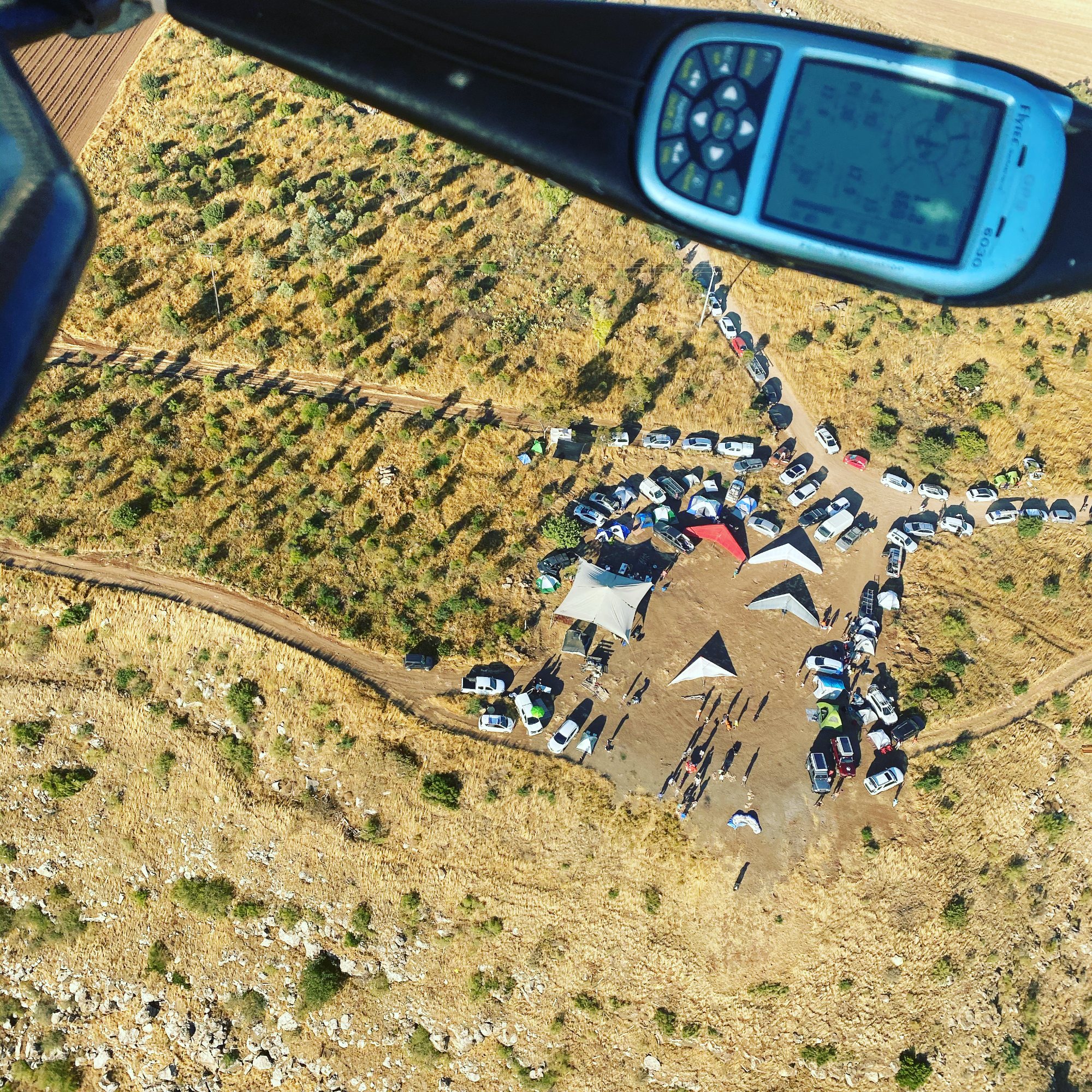
Israel from a bird’s-eye view
04 · Members
The pilots under the wings
A small, close-knit community of pilots, instructors and volunteers who look after the launch sites, safety and the spirit of the sport in Israel.
Want to join the association, hear about the sport, or just come and watch? We’d love to hear from you.